Annual Common Commencement Date For FSANZ-Initiated Food Labelling Changes

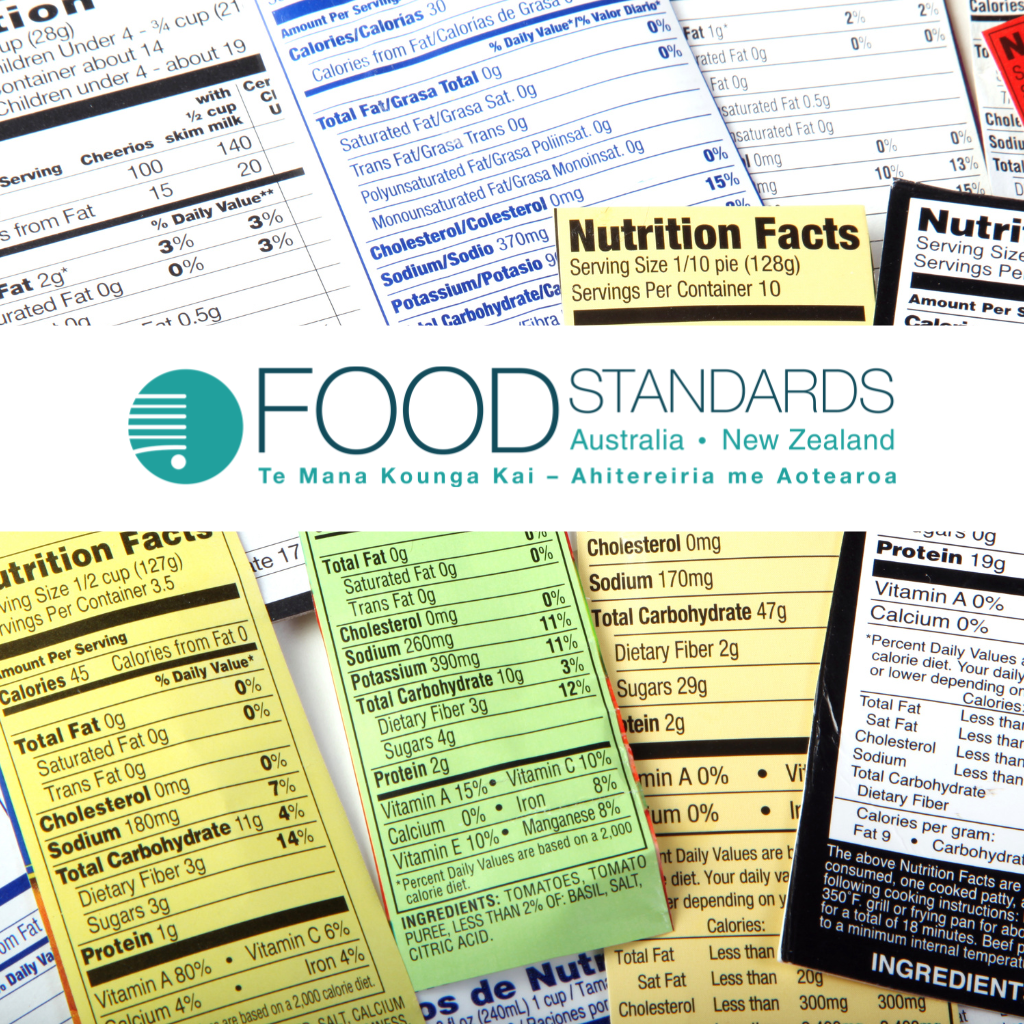
Food Standards Australia New Zealand announced a proposed approach to introducing a single commencement date in a calendar year for businesses to apply labelling changes. This approach will provide businesses an opportunity to consolidate legislative applications on products to reduce disruption in the industry and reduce costs. 

Legislative labelling changes introduced by FSANZ can occur multiple times in a year, prompting businesses to redesign labels and possible reformulations. Once consolidated, the date is intended to limit label design costs and operational disruptions, allowing a reduction in the burden of labelling changes. FSANZ is proposing the 30th of May to be the least disruptive to the food supply chain.  

Protecting health and safety is FSANZ’s priority, with this approach to be rigorously reviewed to assess public health risk and benefits. FSANZ called for submissions from stakeholders to provide information on an appropriate date and approach, potential benefits and concerns, and offer alternative approaches or solutions. Submissions were encouraged to submit evidence, examples and data to facilitate responses. Submissions opened 21st of July 2026 and closed18th of August 2026.   

From a regulatory perspective, an annual common commencement date for food labelling changes would provide greater regulatory certainty, allowing industry, regulators and enforcement agencies to better plan for implementation while reducing compliance costs. It could also improve consistency across the food supply chain, reduce packaging waste and streamline enforcement.  

However, a fixed commencement date could delay the introduction of important consumer information, such as food safety or allergen labelling changes, and create a large implementation workload for small businesses.  

To be effective, the approach should retain flexibility for urgent public health and safety changes and provide clear guidance on which regulatory amendments are covered, while providing complex transition management support and education across the supply chain to coordinate implementations efficiently. 

MSAC will be keeping a close eye on the outcomes of the submissions and proposals going forward. Following the consultation, a summary report will be published by FSANZ presenting the information and evidence submitted to consider the potential risks and benefits of adopting the change. 
Food Fraud Investigation Highlights Importance of Supply Chain Verification

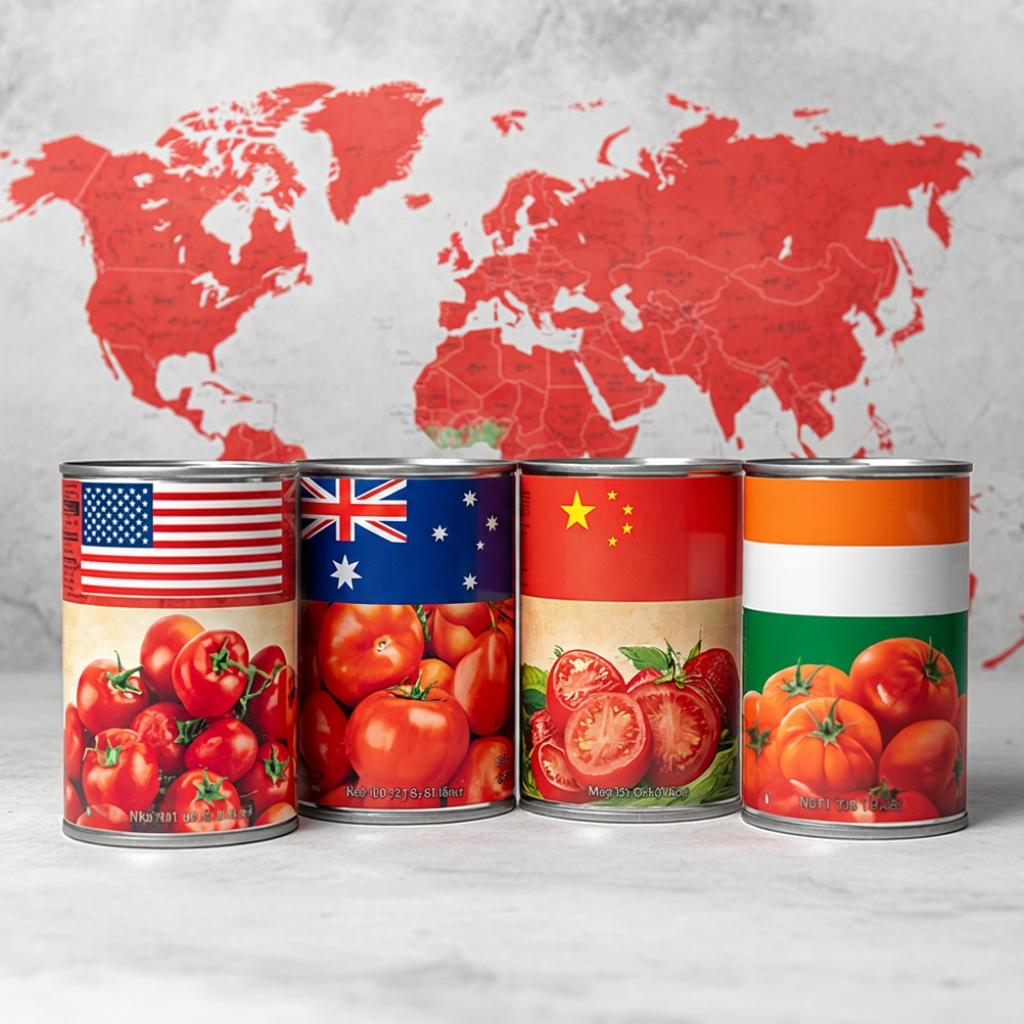
A recent ABC Four Corners investigation examined the authenticity of our everyday products in the grocery aisle. Independent testing commissioned by the investigation suggested that products labelled as pure ingredients or displayed a specific country of origin were instead found to yield different results.

The findings have raised concerns about the strength of traceability and supplier documentation, particularly around claims made on pack. From a food regulatory compliance perspective, the investigation reinforces the importance of maintaining traceability, supply-chain verification and documentation throughout the supply chain.  

While our labelling system in Australia is regulated by legislation and reputable standards, businesses remain responsible for ensuring that any claims are accurate, substantiated and not misleading. The investigation also highlights the increasing use of scientific authentication techniques as a complementary verification tool alongside documentation and audit processes.

The investigation demonstrates the growing expectation from regulators, retailers and consumers for greater transparency across global food supply chains. Four Corners found the food system is built to protect consumers from unsafe food, checking for contamination rather than fraud. In an increasingly complex global food supply chain, Australia is showing to be falling behind on testing for authenticity on our products on shelves. With limited routine testing to detect substitution, false origin claims and other forms of food fraud can act as a public health risk.

While our borders are working hard to ensure robust testing is compliant with import requirements, with authorities detecting hundreds of non-compliant food products each year, Australia’s regulatory system could be strengthened by requiring routine authenticity testing.

The case serves as a reminder that food integrity extends beyond food safety to include transparency and consumer trust. For food manufacturers, importers and retailers, regular supplier assurance activities, effective traceability systems and periodic verification of high-risk ingredients can help mitigate regulatory and reputational risks. 

MSAC Solutions provides you with services through our data-driven solutions and expert teams to build and optimise your brand’s trust and reputation.

AIFST Annual Convention

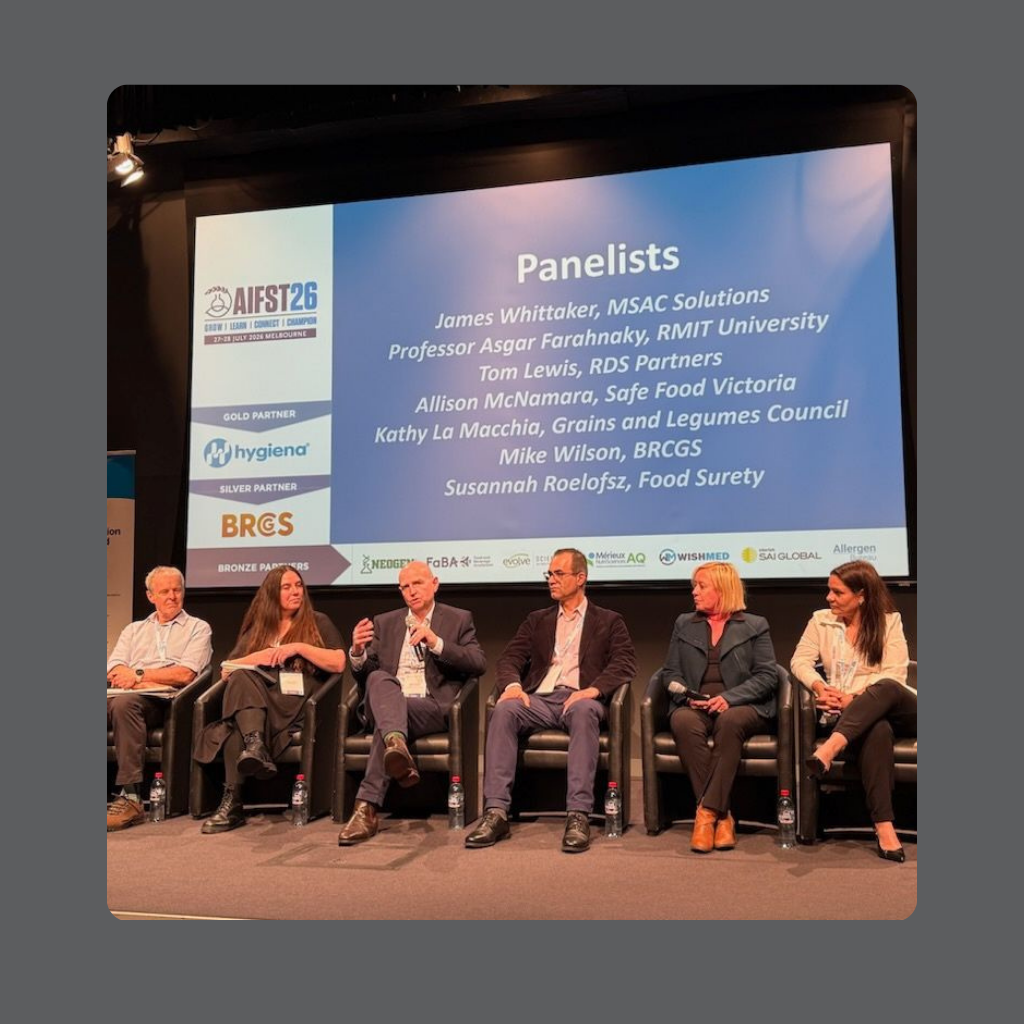
The Australian Institute of Food Science and Technology (AIFST) held its Annual Convention in Melbourne on 27-28 July, bringing together industry, research and academic leaders for two days of learning, discussion and networking.

The convention featured more than 50 speakers covering topics including food safety, nutrition, consumer science, sustainability, food manufacturing and regulatory developments.

A recurring theme throughout the program was artificial intelligence (AI) and its growing application across the food industry. Presentations focused on the challenges facing the food sector and the potential for AI to support improved decision-making, greater efficiency, enhanced product development and innovation. Speakers explored how AI tools can help turn data into actionable insights while complementing the expertise of food science and technology professionals.

Other topics of note included sustainability across food, manufacturing and packaging, the impact of GLP-1 medications on consumer food choices, the role of dietary fibre in health and product innovation, and developments relating to Health Star Ratings.

AIFST26 was co-located with foodpro 2026, Australia’s leading food manufacturing, processing and packaging exhibition, providing attendees with a unique opportunity to explore innovation across the entire food and beverage value chain.

In addition to the formal program, the convention offered valuable opportunities for delegates to connect with peers, exchange ideas and strengthen professional networks across the agrifood sector. There was also panel discussion exploring the role of collaboration in addressing industry challenges and driving innovation across the food sector.

AIFST is Australia’s leading professional body for food science and technology professionals. For more information about AIFST and its activities, visit www.aifst.asn.au.

National Science Week: Science Shaping the Future of Food

August marks National Science Week, Australia’s annual celebration of science, technology and innovation. Held each year, the initiative brings together thousands of events and activities across the country, highlighting the important role science plays in our everyday lives. The week provides an opportunity to recognise the important contribution of science across the food industry and the people who apply scientific knowledge to solve complex challenges.

This year, members of the Australian Institute of Food Science and Technology (AIFST) attended a webinar that explored how science is helping to revolutionise Australia’s food system through an insightful webinar focused on innovation, food safety and sustainability. From the lab to your plate, science underpins every stage of the food system from production and processing through to food safety, labelling and the development of more sustainable products and technologies.

Science underpins food safety you can trust, with scientific research and evidence playing a critical role in identifying emerging food safety risks, strengthening safety controls and supporting regulatory decision-making. The science behind food testing, processing and labelling helps ensure consumers can make informed choices and enjoy food with confidence.

There is a movement where innovation meets sustainability, shown through current advances in artificial intelligence, machine learning and predictive analytics, which are creating new opportunities across the food industry. These technologies can support more efficient processing, improve resource use, reduce waste and help businesses respond to challenges across an increasingly complex food supply chain.

Science and innovation are building the future of food, continuing to shape the future of the agrifood sector, creating new opportunities to improve food security, sustainability, safety and quality. Collaboration between scientists, industry, regulators and technical professionals will be essential in turning emerging technologies and research into practical outcomes.

At MSAC, our roles as food regulatory scientists use technical expertise that is applied every day to assess food and product labelling, specifications and technical requirements against legislative standards and regulations. This work supports businesses in navigating regulatory requirements and helps ensure products meet applicable safety, quality and compliance expectations.

We thank our team for their continued dedication to applying science, technical expertise and regulatory knowledge to deliver positive outcomes for industry, consumers and the broader community.