FSANZ 2030 Roadmap Released

Food Standards Australia New Zealand has released its 2030 Roadmap, setting the precedent for future support and compliance for the food and beverage industry for the next 5 years. The strategic outcomes have been designed to balance the proposals and work to efficiently respond to risk, adaptation, priorities and growing evidence to facilitate policy.

The roadmap provides greater transparency, predictability, and strategic direction for the industry and regulators with a strategic focus on four core outcomes:

  • Safe And Suitable Food – Formulated Supplementary Sports Foods
  • Healthy Food Supply – Young Child Formula, Infant and Childhood Foods, Nutrient Reference Values
  • Informed And Empowered Consumers – Health Star Ratings, E-commerce, Digital Labelling
  • Thriving Food Economies – Nutritive Substances and Novel Foods, International Alignment Review

The roadmap projects will be staggered until the end of 2030, with work already starting on health star rating, child formula and digital labelling.

The roadmap has been developed through stakeholder engagement and collaboration with food regulation system partners. This approach reflects the shared responsibility for maintaining a trusted food regulation system. FSANZ will continue to engage transparently and collaboratively through the progression of projects.    

Within the proposal, FSANZ has addressed the current challenges being faced within the industry, where proposals will be addressed to assist the industry in addressing complex issues, including global food supply, disease in public health, growing technology innovations, shifting consumer expectations and environmental changes.

What does success look like in 2030, as proposed by FSANZ? To lower the rate of foodborne illness, support a healthier diet for the young population, empower consumers to access trusted and accessible information, and sustain a fast and innovative export industry. FSANZ will continue to monitor these metrics of systems working efficiently to ensure the delivery has a positive impact on the whole population.

With a pipeline of changes ahead, early preparation is key. We support businesses with practical, end-to-end food regulatory advice, from label reviews and HSR implementation through to reformulation and compliance strategies, helping you stay ahead of regulatory change and reduce risk.
FSANZ Caffeine Proposal P1056 – What’s Changing?

Food Standards Australia New Zealand Board has approved the Proposal P1056, signalling a shift in how caffeine is regulated and communicated to consumers. With growing consumption of caffeine in a wider range of products, from traditional beverages to functional foods, this proposal reflects an increased scrutiny on the safety and transparency of manufacturing and production.

P1056 is focused on strengthening caffeine labelling requirements. This includes clearer declarations of caffeine content and updates to advisory statements, particularly for vulnerable groups such as children, pregnant or breastfeeding individuals, and those sensitive to caffeine. The proposal recognises that caffeine is no longer limited to coffee and energy drinks, but is now present in an expanding category of products in a growing retail range.

For the industry, the proposal includes key changes, including when caffeine can be added to foods and limiting high concentrations of guarana extract. New labelling will apply to packaged beverages with high caffeine levels, including caffeine content per serve and advisory statements. Caffeine will be permitted in formulated supplementary sports foods within defined limits, and will prohibit the retail sale of caffeine as a food. Changes remain unchanged for cola products and energy drinks that presently require advisory statements.

The implications across product formulation, packaging, and compliance processes are in response to the increasingly high concentration and excessive caffeine intake in the population, to define safety boundaries and consumer choice. From the 1st of April, food ministers now have 60 days to consider the decision before the proposal is gazetted into the code. Food businesses will have 2 years from the date of gazettal to implement the changes.

Brands should start reviewing their products to identify products containing added caffeine and assess whether current labelling aligns with potential future requirements. Early engagement will be key to minimising reformulation or relabelling risks down the line.

Packaging, Plastics and Price Pressure: The Iran War Ripple Effect Hits Australian Supply Chains

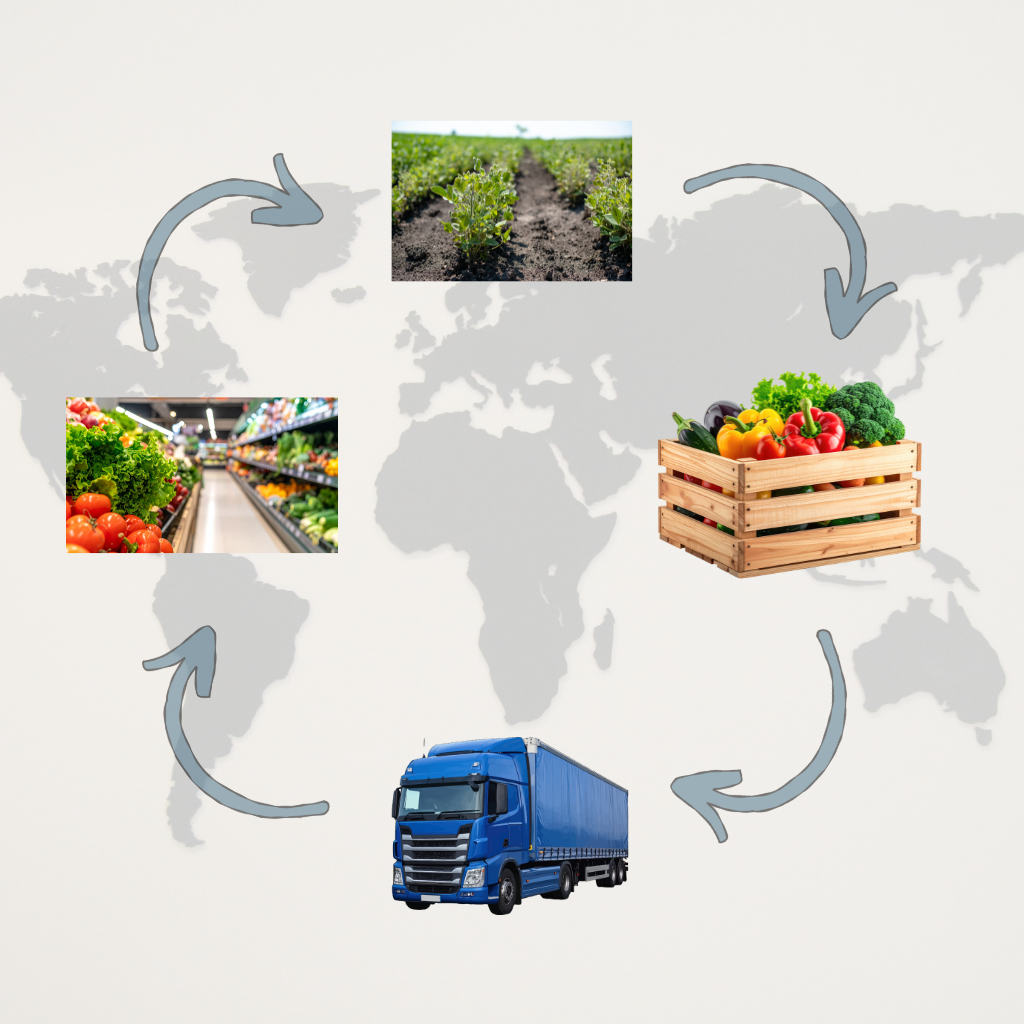
Australia’s food and packaging supply chain is facing added pressure due to the Iran war disrupting product distribution and raising prices. The ongoing Iran conflict has triggered a global fuel shock, with flow-on impacts now clearly landing across Australian supermarkets and packaging systems.

Intensifying fuel costs, manufacturing pressure and disrupted transport are being passed through the supply chain, with delivery costs jumping significantly. Particularly as fuel-driven costs underpin nearly every stage of the food system, the uncertainty of the direction the political climate is taking is being seen across the industry. This uncertainty is driving behavioural shifts, including early signs of panic buying and stockpiling, further destabilising supply with demand.

Rising freight costs have driven up packaging expenses, specifically for plastic jars, films, bottles, and tubes, for buyers in the food, beverage and personal goods sectors. Plastic packaging relies heavily on oil-derived inputs, and disruptions to Middle Eastern supply chains are constraining access to key petrochemicals. This is pushing up the cost of packaging materials globally, with Australian manufacturers already warning of reduced availability and rising input costs. This can lead to increased product pricing and a decrease in the availability of certain materials.

The current global crisis is trickling down to conversations for packaging producers who fail to recycle. Australia is again considering a levy on plastic packaging, designed to incentivise recyclability and reduce reliance on virgin materials. However, the timing is notable, as introducing additional cost signals into a system already under pressure from fuel and material shortages raises the key questions of whether businesses are equipped to transition packaging formats under current supply constraints.

Right now, businesses need support, security and trust in an industry under pressure. MSAC is here to assist you in navigating change and keeping you informed with the most up-to-date requirements and updates your business needs.

Soft Plastics

The Australian Packaging Covenant Organisation (APCO) and Soft Plastics Stewardship Australia (SPSA) have partnered, bringing together scheme delivery and national packaging participation in a bid to accelerate a scalable soft plastics recycling system. 

The partnership is focused on fixing the current fragmentation between the national soft plastics collection and APCO’s recycling scheme infrastructure. SPSA will continue to lead the expansion of collection and recycling pathways, while APCO will embed the scheme into its established systems, including reporting, guidance and labelling frameworks, such as the Australasian Recycling Label Program. 

The collaboration is determined for a circular environment, focusing on reducing duplication, improving data integrity, and creating a more seamless participation model for the industry. For brand owners and retailers, that means clearer pathways to engage, more consistent reporting requirements, and stronger alignment between packaging design, labelling and end-of-life outcomes. 

Importantly, this alignment comes at a critical time. Following the collapse of REDcycle and ongoing scrutiny of soft plastics recycling, the industry has been under pressure to rebuild trust and demonstrate credible, workable solutions. The SPSA scheme, backed by the ACCC, aims to shift responsibility upstream and scale national capability. 

A more integrated stewardship ecosystem is emerging, with one that links packaging design decisions directly with collection infrastructure and recycling outcomes, signalling a future where packaging claims, recyclability statements and design choices will be in a capable system.

A greater expectation on businesses to align packaging, labelling and compliance with a system that is finally starting to take shape. If you’re navigating what this means for your packaging claims, recyclability labelling or upcoming artwork updates, now is the time to get ahead. We help businesses translate evolving stewardship frameworks into compliant, commercially workable labelling solutions.