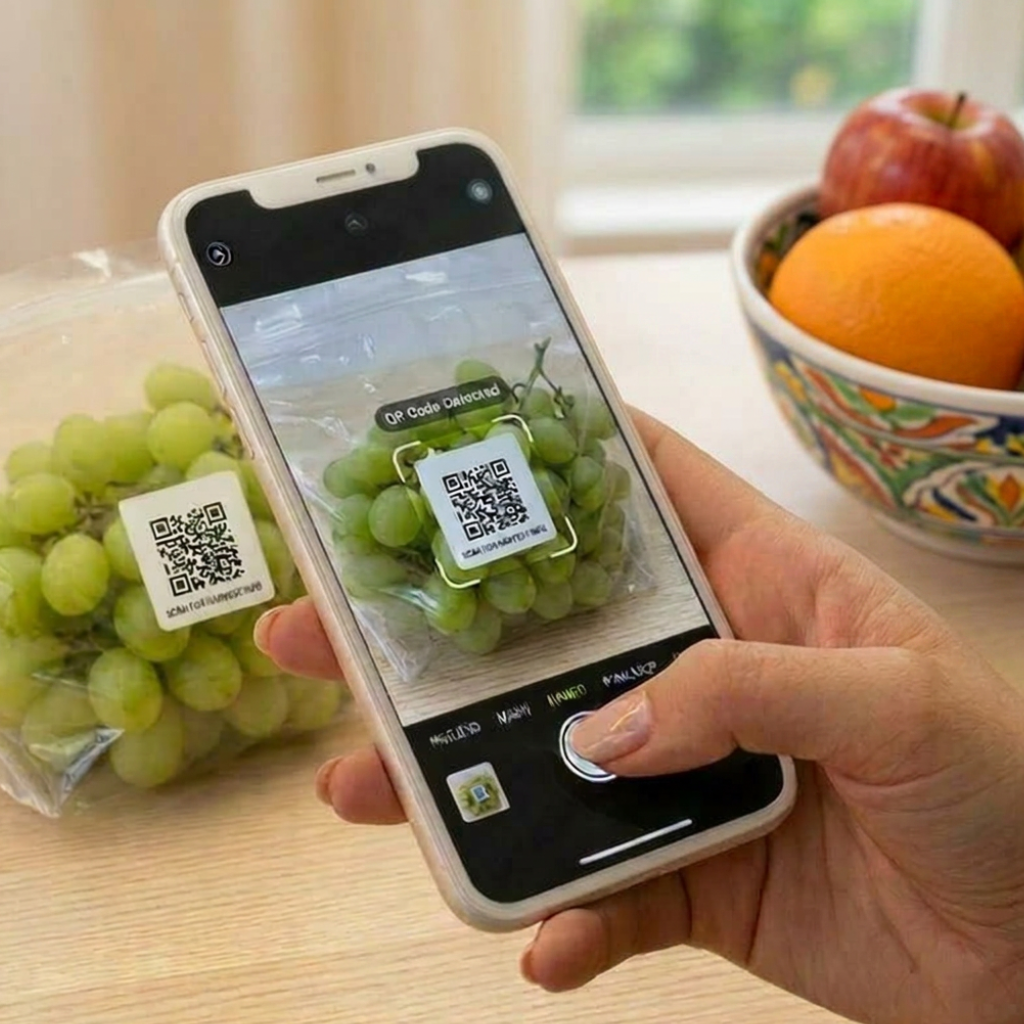
The familiar linear barcode is set to evolve. As part of GS1’s global initiative, the food industry is preparing for the adoption of next-generation 2D barcodes, including QR Codes encoded using GS1 digital linking standards. The transition has significant implications for food manufacturers, retailers and regulatory compliance.
Unlike traditional 1D barcodes that primarily identify a product, GS1-compliant 2D barcodes can store substantially more information within a single code. This enables manufacturers to encode details such as batch numbers and expiry dates while also linking consumers to digital product information including ingredients, allergen declarations, nutrition information, sustainability credentials and recycling guidance.
GS1 2D barcodes offer retailers and manufacturers a multifunctional point-of-sale solution, enabling the delivery of enhanced product information and additional data attributes through a single code. It is important to recognise that mandatory declarations remain, including allergens, ingredient lists, nutrition information panels and date marking, which must continue to appear on the food label unless specific exemptions apply. Digital content should be viewed as complementary rather than a substitute for regulatory labelling requirements.
For businesses considering implementation, it is also important to note that GS1’s 2027 target is an industry ambition rather than a legislative deadline. Current guidance recommends that 2D barcodes be used alongside existing linear barcodes until point-of-sale systems are universally capable of scanning the new formats. Adoption is considered to grow progressively across the Australian retail sector.
As consumer demand for transparency continues to grow, the next-generation barcodes provide an opportunity for food businesses to strengthen product traceability, improve access to information and support transparency. While implementation is not yet mandatory, manufacturers should begin considering how their labelling, packaging and data management systems can support this emerging standard.
While 2D barcodes provide an effective way to deliver additional product information to consumers, businesses should ensure that any information accessed through a digital link is accurate, substantiated and consistent with on-pack labelling. The Australia New Zealand Food Standards Code continues to require mandatory information to appear on the food label.
Contact us today to see how your digital content can serve as a complementary source of information to boost your brand and products.