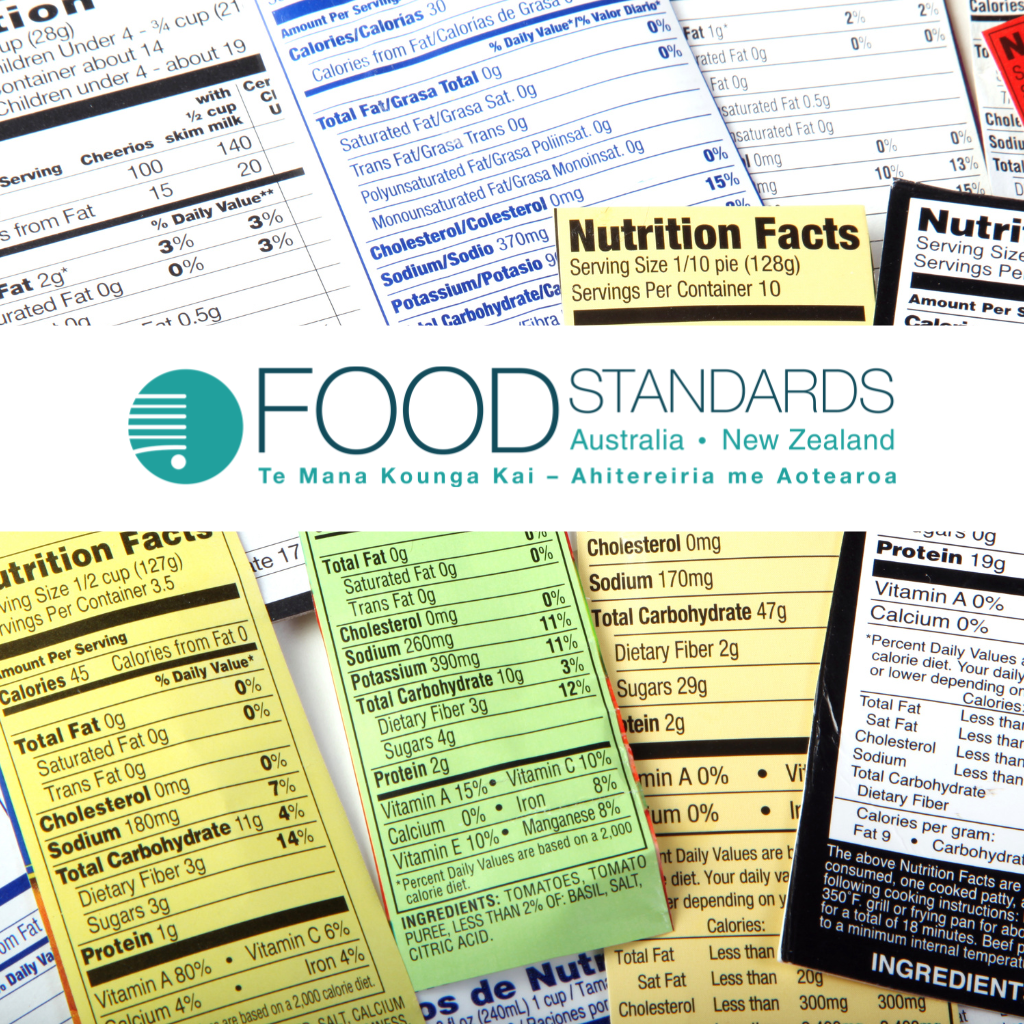
Food Standards Australia New Zealand announced a proposed approach to introducing a single commencement date in a calendar year for businesses to apply labelling changes. This approach will provide businesses an opportunity to consolidate legislative applications on products to reduce disruption in the industry and reduce costs.
Legislative labelling changes introduced by FSANZ can occur multiple times in a year, prompting businesses to redesign labels and possible reformulations. Once consolidated, the date is intended to limit label design costs and operational disruptions, allowing a reduction in the burden of labelling changes. FSANZ is proposing the 30th of May to be the least disruptive to the food supply chain.
Protecting health and safety is FSANZ’s priority, with this approach to be rigorously reviewed to assess public health risk and benefits. FSANZ called for submissions from stakeholders to provide information on an appropriate date and approach, potential benefits and concerns, and offer alternative approaches or solutions. Submissions were encouraged to submit evidence, examples and data to facilitate responses. Submissions opened 21st of July 2026 and closed 18th of August 2026.
From a regulatory perspective, an annual common commencement date for food labelling changes would provide greater regulatory certainty, allowing industry, regulators and enforcement agencies to better plan for implementation while reducing compliance costs. It could also improve consistency across the food supply chain, reduce packaging waste and streamline enforcement.
However, a fixed commencement date could delay the introduction of important consumer information, such as food safety or allergen labelling changes, and create a large implementation workload for small businesses.
To be effective, the approach should retain flexibility for urgent public health and safety changes and provide clear guidance on which regulatory amendments are covered, while providing complex transition management support and education across the supply chain to coordinate implementations efficiently.
MSAC will be keeping a close eye on the outcomes of the submissions and proposals going forward. Following the consultation, a summary report will be published by FSANZ presenting the information and evidence submitted to consider the potential risks and benefits of adopting the change.