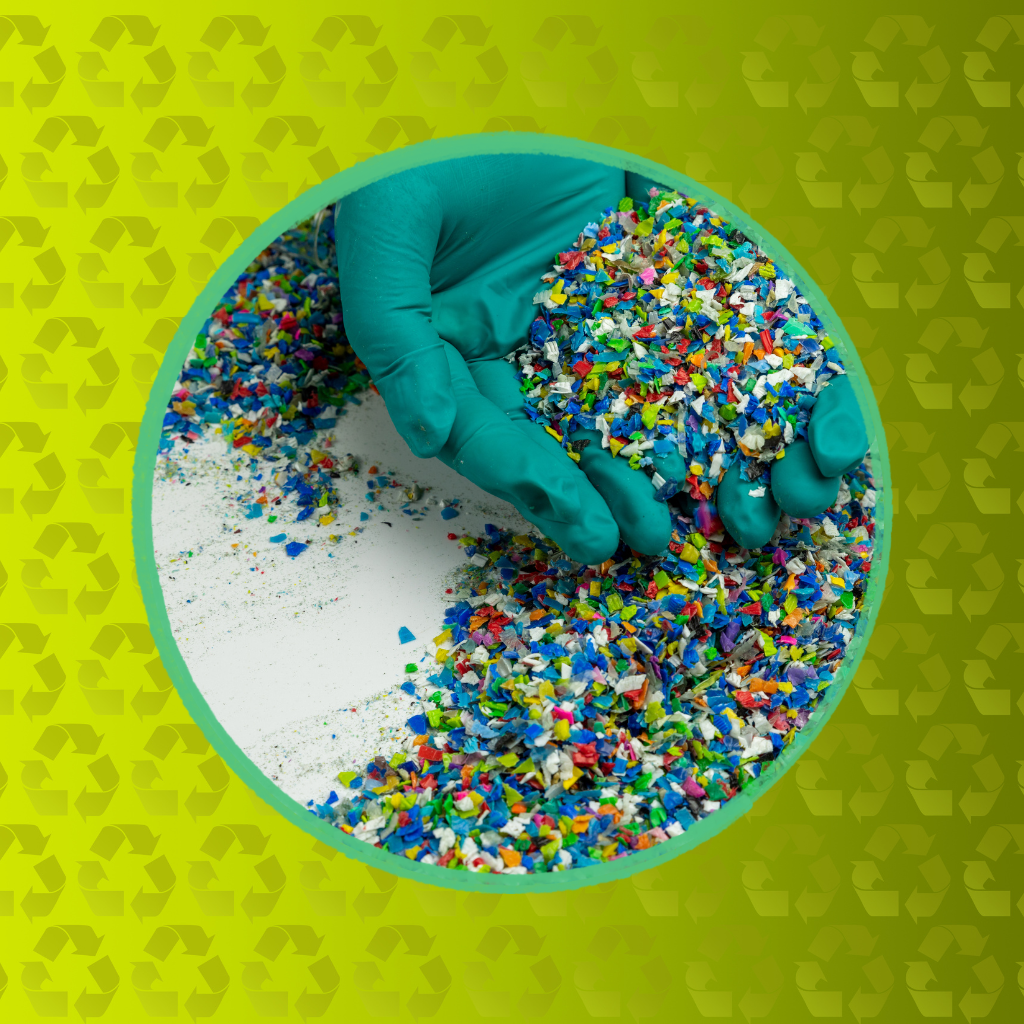
On October 6th, industry leaders gathered for a pivotal webinar hosted by the Australasian Institute of Packaging to discuss the current state and future of soft plastics recycling across Australia and New Zealand. The discussion revealed progress and critical challenges that demand immediate action from brand owners and industry participants.
New Zealand’s soft plastics recycling scheme has achieved impressive milestones. Since launching with just 70 stores in 2015, the program now operates through 200 members and over 350 collection points, displaying the leverage to continue a powerful endorsement that consumer demand exists when convenient options are available.
Australia has built the processing capacity for a soft plastic’s circular environment, but it is operating far below its potential. An insight into manufacturing factories found the facilities are currently running just two days per week at single shift, a vast difference to previous years of a full 24-hour functioning site.
The constraints have been found to be from insufficient material supply, driven by low industry membership in Australia’s Soft Plastics Stewardship Scheme (SPSA). With only 37 members representing just 10-15% of the industry, recyclers lack the feedstock to justify running at full capacity.
An insightful example shared was Australia Post’s Smart Circular Satchel. Developed in just 10 weeks using 100% post-consumer recycled LDPE and manufactured entirely onshore, the satchel performed flawlessly through Australia Post’s network without any special handling. This proof point removes the perception that recycled plastics are inferior; they can deliver premium performance in demanding applications.
The webinar made clear that the industry stands at a crossroads. The infrastructure exists, with working technology and driving consumer demand. What’s needed now is:
- Industry Support: Brand owners to join SPSA and commit to using recycled content.
- Policy Clarity: Government commitment to EPR regulation and minimum recycled content mandates for investment confidence needed to scale operations.
- Data Transparency: Tracking of soft plastics placed on the market sets an important precedent for supply chain visibility
- Procurement Leadership: Governments and large corporations must adopt recycled-first policies, creating the demand that drives the circular economy.
Australia and New Zealand have built the foundation for a successful soft plastics recycling industry. The question now is whether brand owners and government will provide the support needed to sustain it. As one panellist noted: it’s pointless making packaging recyclable if recyclers don’t survive.