Consumer demand for ethically produced food continues to grow, with “free-range” remaining one of the most influential purchasing claims in the Australian grocery market. However, as consumers increasingly seek transparency around animal welfare, regulators are maintaining a strong focus on ensuring free-range claims accurately reflect production practices.
While the term “free-range” is widely recognised, businesses must ensure that claims made on-pack, online and through advertising are supported by evidence and do not create a misleading overall impression for consumers.
For eggs, the Free-Range labelling requirements that producers must meet include: Hens must have meaningful and regular access to an outdoor range during daylight hours, outdoor stocking densities must not exceed 10,000 hens per hectare, and the outdoor stocking density must be clearly declared on the packaging. This is particularly relevant given recent bird flu outbreaks in Australia, which have increased attention on free-range farming practices and compliance.
These requirements operate alongside the Australian Consumer Law, which prohibits businesses from making false or misleading representations about goods. Importantly, compliance is assessed on the overall impression conveyed to consumers, not simply whether the words “free-range” appear on the label.
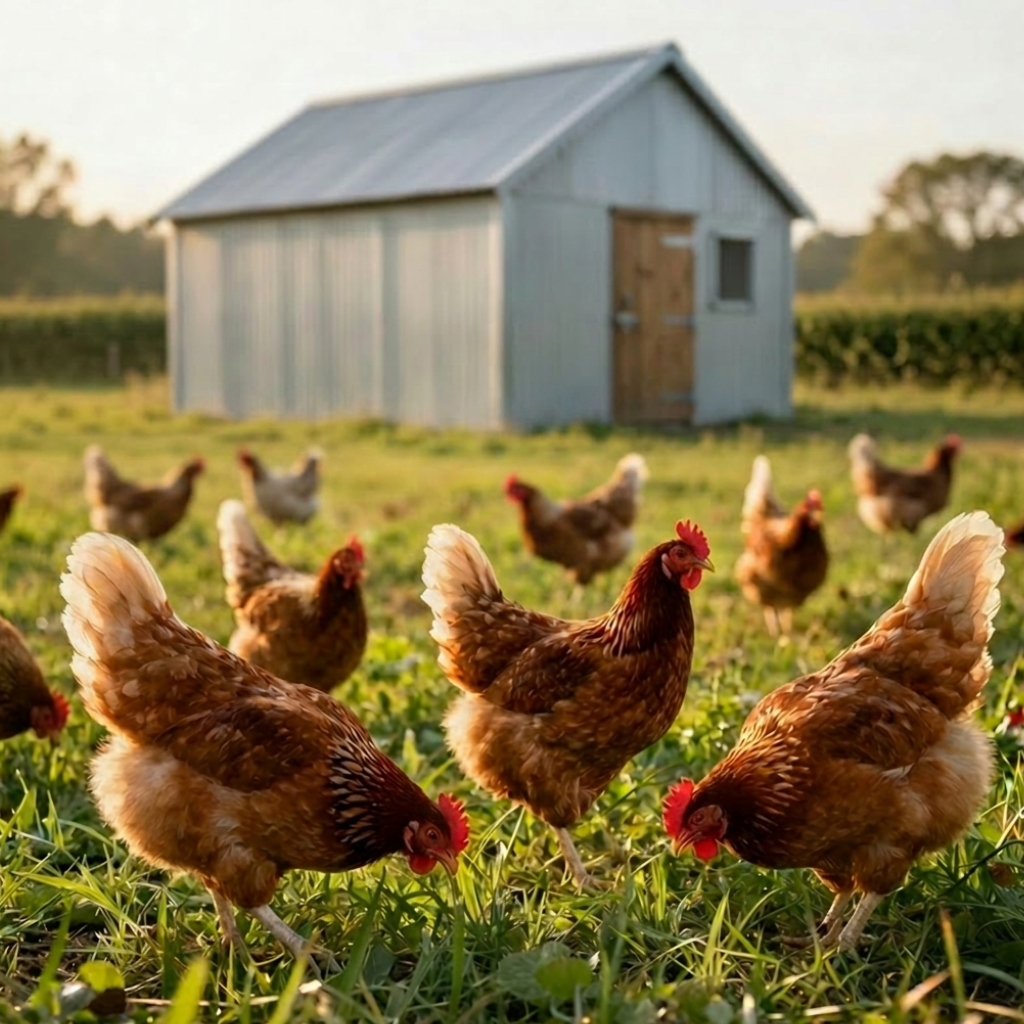
Food businesses should consider all elements of product presentation when assessing compliance. Images of hens roaming freely through expansive green paddocks, statements suggesting unrestricted outdoor access, or marketing that overstates animal welfare practices may all contribute to a misleading representation if they do not accurately reflect how the product is produced.
The Australian Competition and Consumer Commission (ACCC) has consistently reinforced that businesses must be able to substantiate not only explicit claims but also any implied messages conveyed through packaging, branding and advertising.
These cases reinforce an important compliance principle for businesses, with documentation and substantiation being essential. Businesses should maintain evidence demonstrating that production practices align with both regulatory requirements and consumer expectations created by marketing claims.
Regular reviews of claims on your pack, marketing materials and substantiation records can help minimise regulatory risk and ensure products remain accurate, transparent and compliant with both food regulatory requirements and Australian Consumer Law. MSAC is facilitated to ensure your claims and documentation are compliant in one place.